Hospital Bird Control Services Services in Douglas County, Washington
Defend your hospital with expert hospital bird control services solutions. Our battle-tested avian management plans will assure that your hospital becomes safe, sanitary, and free from infestations.
.
WHY CHOOSE RID A BIRD?
- Over 35 years of experience in bird control
- Effective, humane bird deterrents
- Custom solutions for commercial properties
- Guaranteed long-term results
- We’re an Arizona company that services all states west of the Mississippi with the best bird control and removal solutions
Why Birds Are a Problem for Businesses in Douglas County, Washington
Effective bird control services in Douglas County, Washington, are crucial for hospitals and commercial properties confronting bird infestations. These developments present significant risks, making professional intervention essential. Birds can harbor diseases such as Salmonella and E. coli, posing severe health hazards to patients, staff, and visitors, compromising sanitary environments. Furthermore, birds often cause structural damage, impacting building integrity by nesting in vents or gutters, leading to costly repairs. Unsightly bird droppings can damage exterior surfaces and diminish curb appeal, adversely affecting patient and client perceptions. Noise and aggressive behavior from birds disrupts business operations, potentially disturbing patients and clients, leading to a decline in customer satisfaction. By investing in specialized bird control services, businesses protect their assets, ensure a safe environment, and maintain a positive reputation, crucial for long-term success.
How to Solve Bird Infestation Issues at Your Business
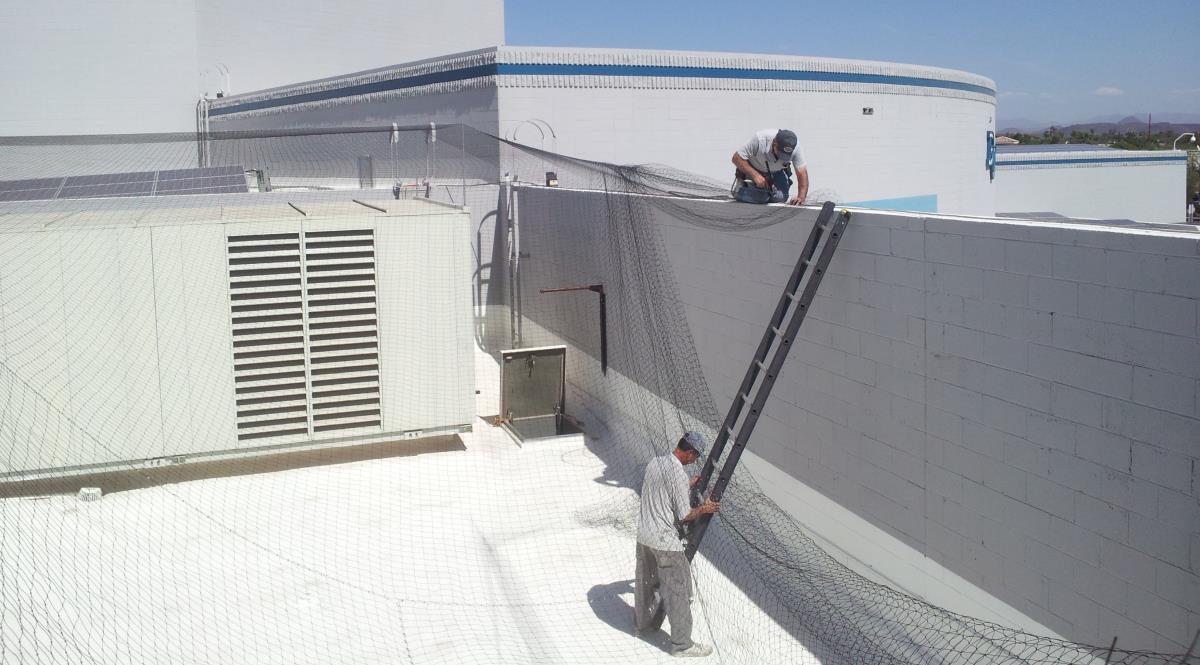
Commercial bird control is crucial for maintaining the safety and hygiene of business environments. Birds, especially in large numbers, can cause significant damage to property including rooftop equipment, signage, and entryways, due to their nesting and corrosive droppings. Furthermore, birds can pose serious health risks as they are carriers of diseases such as histoplasmosis and salmonellosis, which can be transmitted through their droppings. Professional bird control services for hospitals and other businesses deploy effective, humane strategies to mitigate these risks. Techniques such as netting, spikes, and sonic deterrents ensure that businesses remain bird-free, enhancing both safety and aesthetics. Expert intervention not only minimizes potential damage and legal liabilities but also ensures a cleaner, healthier environment for employees and visitors alike.
Take Action to Protect Your Business
In Douglas County, Washington, hospitals are pivotal in safeguarding community health, making it imperative to maintain hygienic and safe environments free from unwelcome intruders, such as birds. Hospital bird control services are not just an optional add-on but a necessary investment for long-term business protection. Engaging a professional bird control service ensures that these institutions can maintain a clean, infection-free environment, ultimately solidifying the hospital’s status as a trusted healthcare provider.
Bird infestations in hospital settings can lead to severe problems, including contamination risks from droppings, which are known to harbor over 60 kinds of transmittable diseases. This poses a significant threat to the vulnerable populations hospitals serve. By adopting effective bird prevention measures, such as exclusionary tactics, deterrents, and habitat modification, hospitals can ensure compliance with stringent health and safety regulations, notably those mandated by local and federal health authorities. This proactive approach helps avoid costly fines and potential closures due to non-compliance.
Moreover, bird control services offer substantial cost savings by preventing structural damage to hospital buildings. Birds nesting in rooftops, ventilation systems, or other crevices can lead to clogged drainage systems, roof damage, and deterioration of building materials. Addressing these issues reactively can result in hefty repair bills. By implementing a comprehensive bird management program, hospitals can avert these expenses, directing financial resources instead toward patient care enhancements.
Investing in professional bird control also enhances the hospital’s reputation, assuring patients and visitors that their health and wellness are the top priority. As hospitals strive to maintain impeccable customer experience, a pest-free environment is a foundational component. Long-term, this contributes to patient satisfaction and loyalty, which are crucial for the hospital’s operational success and community standing.
Ultimately, bird control services provide a cost-effective, compliance-focused solution that bolsters the hospital’s environment and reputation in Douglas County. By safeguarding their facilities against avian intrusions, hospitals protect their long-term business interests and maintain their integral role as safe, reliable pillars of community health.
Our commercial bird control services ensure your property remains safe, compliant, and free from bird-related damage.
Get a Free Quote for Hospital Bird Control Services in Douglas County, Washington
Frequently Asked Questions
Q1: What are the risks of having birds on my commercial property?
A: Birds can cause serious issues for commercial facilities, including health risks. Bird waste creates slip hazards like Salmonella. Birds that are nesting damage roofing. Expert hospital bird control services services help prevent these risks – it’s best to address these issues before they escalate.
Q2: How do professional bird deterrent services take place?
A: Our team of specialists deploys highly effective exclusion tools that address bird-related issues in any industrial environment. There’s no project beyond our scope, having completed everything from local retail stores to full-scale industrial parks and shopping centers.
We analyze your property to locate access points and engineer the most appropriate solution. Depending on the property type and infestation severity, we strategically install tools like motion-activated repellents to prevent future infestations.
Every bird control plan we implement is built from scratch to work without disrupting your staff or customers, delivering long-term results with business-friendly execution.
Q3: Are your nuisance bird management programs really considered safe for public areas?
A: Definitely, our bird control solutions are designed to be non-disruptive for occupied environments. We strictly follow EPA guidelines, and use humane exclusion methods that protect the health of employees and clientele.
Whether you’re managing any type of commercial or industrial environment such as a school, our highly experienced field experts assess the site and implement a industry-appropriate bird control program that keeps everyone safe while getting the job done.
If you have unique environmental needs, we’re happy to address them.
Q4: How long until I get visible results from bird control?
A: The time it takes for bird exclusion to take effect is influenced by multiple elements, like the bird species. Many bird deterrent strategies take effect right away. Exclusion tactics block nesting sites on contact.
In some cases, other deterrent types may take several days to cause noticeable reductions. In high-pressure areas, multiple treatments could be necessary to ensure long-term success. Our team of technicians evaluate the infestation and implement the optimal approach to accelerate results.
Q5: Which companies should consider avian control services?
A: A wide range of business types require nuisance bird prevention methods. The sectors most impacted frequently deal with supermarkets, freight terminals, medical offices, academic campuses, and processing centers.
Whether your commercial property is experiencing pest bird issues, our team offers tailored comprehensive exclusion services to keep them away for good. Persistent bird issues commonly cause health hazards. Our professional team assesses your location and industry needs and customizes industry-approved mitigation measures to prevent costly damage.
